
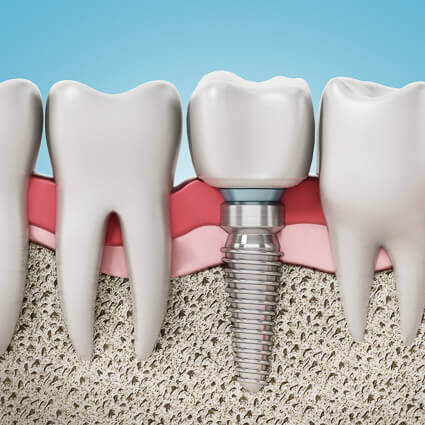
 Replacing a missing tooth isn’t just about filling a gap in your smile. What happens beneath the surface matters just as much. The position and angle of your dental implant can make a big difference in how your new tooth looks, feels, and functions. That’s where guided implant surgery comes in, allowing us to plan the placement in remarkable detail before your appointment even begins.
A Closer Look Before Treatment Begins
A regular X-ray is flat. It shows side to side and up and down, which limits us to one perspective. A 3D scan lets us view your jaw from every angle, evaluate bone quality, and locate nearby structures before placement.
We combine that image with a digital scan of your teeth and gums. Then we design your final tooth first, deciding how it should look and where it should sit. The implant position is planned to support that tooth while respecting the surrounding anatomy.
Next comes the surgical guide. Custom-made from acrylic resin, it fits precisely in your mouth. Think of it as a stencil that helps guide the implant into the position we planned on screen.
Some of the most important work happens before the procedure even begins. By planning your final tooth first, we can approach placement with a clearer picture of the desired result.
What Does All This Planning Mean for You?
Planning placement in advance can make the procedure less invasive, often with less swelling and discomfort, shorter appointments, and a more comfortable recovery (a welcome surprise for anyone expecting a long ordeal).
It’s a strong fit for patients who value precision and want to give their implant a good chance of long-term success. It’s especially helpful for challenging sites near nerves, the sinus, or neighboring roots.
A Better-Planned Smile Starts Here
Thinking about replacing a missing tooth? Our Fremont team will walk you through the guided implant process, answer your questions, and help you feel comfortable with your options before moving forward.